
Mountain Storms
A Note from Lunigiana
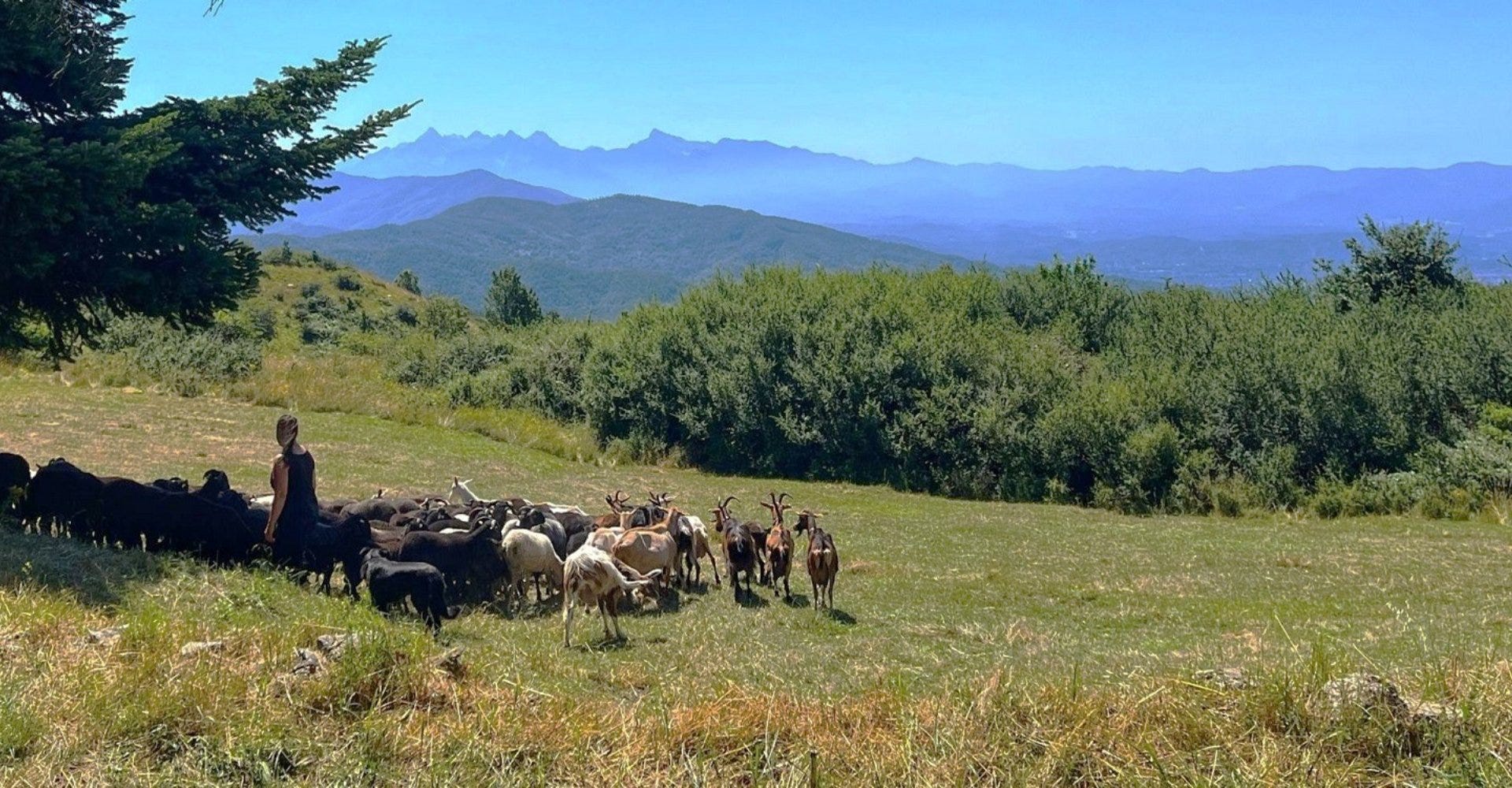
Dear readers, just a short update from me this week, I’m afraid, as my laptop and my brain alike are in thermal overload after weeks of unyielding 35 (+) degree heat. I’m still here in the hills of Lunigiana, where I’ve been coming for over a decade to seek refuge from the summer caldo together with a few friends (see here for some old, but evergreen, tips on the area).
This year, however, has been something else entirely. If Lunigiana was once a reliable sanctuary, those days are long gone. Over the past few days, we have swung between the stifling inertia of afternoon heat domes and sudden, ferocious mountain hail storms that have brought rolling power cuts, uprooted trees, and caused fatalities in the area. Against a backdrop of similar headlines across Europe, North Tuscany feels like a local microcosm of a broader continental emergency.
While I’m reluctant to add to the catastrophism of the broader media cycle, it bears repeating what more sober scientific commentators have been pointing out: what we’re living through is no longer a harsh seasonal variation, but the stark reality of climate breakdown.
In Italy, the political response to this planetary crisis has been predictably and frustratingly inadequate. The Meloni administration was long ago mandated to submit its national plan to unlock Italy’s share of the EU’s Social Climate Fund, a crucial mechanism intended to shield vulnerable households from the economic shocks of the carbon transition. They are now over a year past the deadline, having submitted precisely nothing.
This gridlock is part of a deeper ideological myopia, though. The current coalition has consistently stalled decarbonization efforts, framing the ecological transition not as a structural necessity but as a fictional grievance invented by their opponents. This resistance has recently hardened into concrete policy: the government has curbed its green ambitions by hacking away at the post-pandemic recovery fund’s environmental allocations down to the absolute legal minimum, while quietly extending the lifespan of the nation’s coal infrastructure well into the late 2030s.
I could go on.
With the estimated economic cost of climate breakdown in Italy now hovering around €12bn annually, and the human toll mounting, it is genuinely perplexing to observe the absolute lack of an integrated, forward-thinking economic programme even among the major opposition parties. The imagination of the state seems entirely exhausted. As a result, the burden of keeping up the pressure is falling once again on civil society and the beleaguered efforts of organizations like WWF Italia, Greenpeace and Legambiente.
I’ll be reporting more fully on this as the summer deepens, tracking the heatwaves, wildfires, and shifting systemic risks that the season now inevitably brings. For now, though, I’m off to find some shade. Stay cool, and more from me, in the usual format, next week.
Jamie
I’m Jamie Mackay, a UK-born, Italy-based writer, working at the interfaces of journalism, criticism, poetry, fiction, philosophy, travelogue and cultural-history. I set up the Week in Italy a few years ago to cover ‘under the radar’ news. Since then this space has evolved to focus on politics, social issues, travel, books, music and film with particular attention to indie and underground culture that doesn’t get enough press. This is a labour of love, and journalism is my full time job, so if you like what you read please consider a paid subscription, buying my book, The Invention of Sicily, or simply help spread the word. Grazie!