
Springtime Laments
Plus, a new novel by Veronica Raimo and the enduring power of Bertolucci’s Novecento
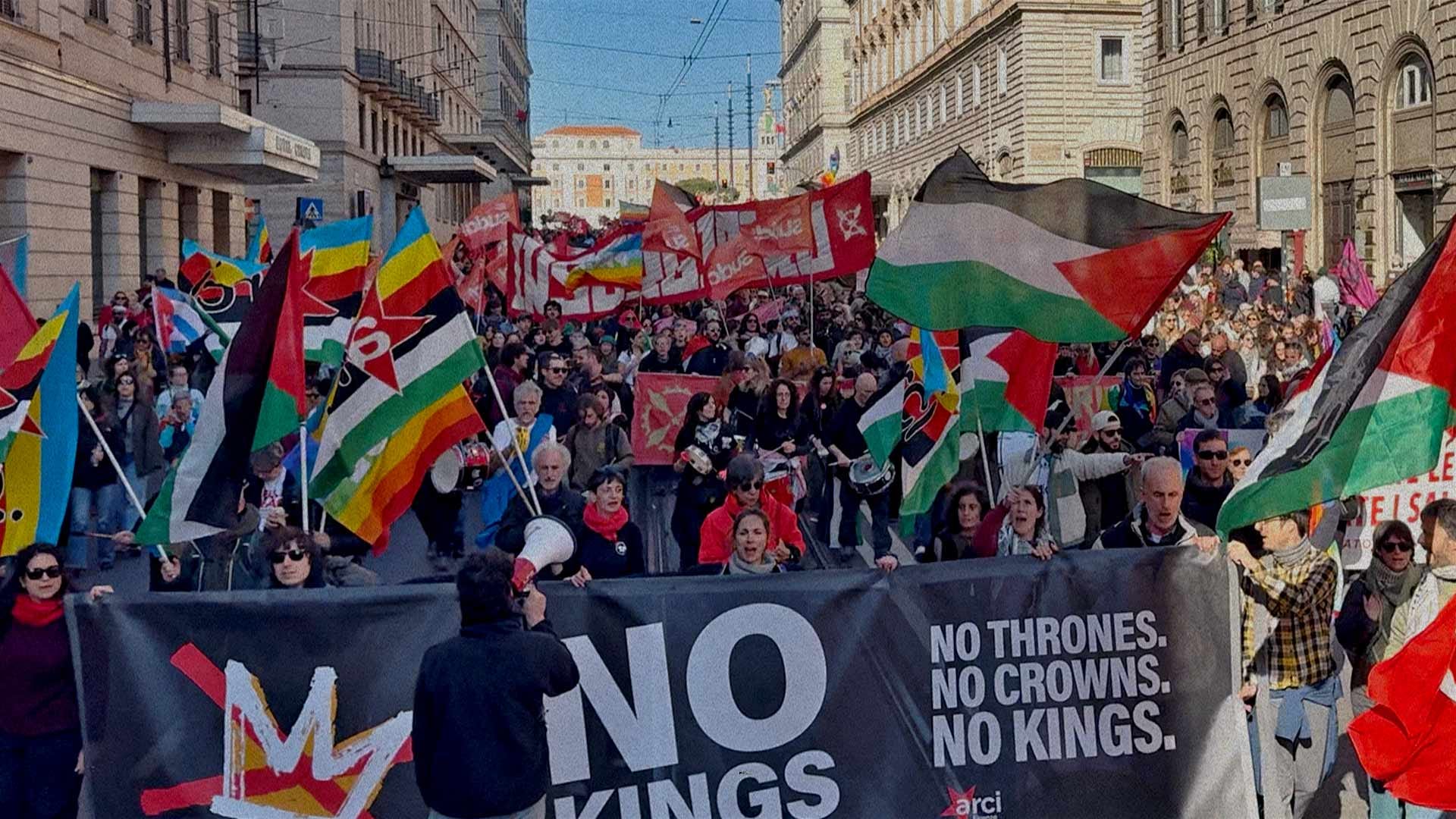
When in doubt, stack the elections, or so the old Roman proverb goes. This, at least, appears to be the prevailing logic within Giorgia Meloni’s ranks as ministers reel from last week’s referendum defeat on judicial reform. The Prime Minister herself has emerged from the vote looking physically spent, shaken to a point of near-unrecognizability by a result that has transformed from a technical query into a damning plebiscite on her leadership. It is a fatigue born of systemic crisis: Meloni’s domestic credibility is fracturing just as her ‘friend’ Donald Trump triggers trade volatility that is hemorrhaging the Italian economy. With the cost of living soaring and the ghosts of austerity returning, Palazzo Chigi is bracing for an impending disaster. The cracks are widening into chasms. This week the government announced a decade-long retreat on coal phase-outs, angering climate activists but also EU officials and architects of the Green New Deal. Italy also, commendably, denied the U.S. use of airbases for its latest strikes, confirming, once again, that the Atlanticist honeymoon has hit the rocks. As her alliances break down, Meloni’s response has been a panicked retreat into electoral reform. Her latest proposal aims to introduce a majority bonus that would automatically grant 55% of parliamentary seats to the winning coalition, regardless of their actual share of the vote. It also seeks the direct election of the Prime Minister to ensure five-year stability, effectively stripping the President of the Republic of the power to resolve government crises. During Monday’s debate, the opposition was predictably livid, but the real story is the scent of defection within the coalition. As Forza Italia begins to sense the winds change, a cynical new strategy is emerging: tactical retreat. By ceding the wheel to the opposition at this disastrous juncture, some on the right hope they could position themselves to return later as saviours once the worst of the economic storm has passed. Machiavelli would undoubtedly admire the move; the Italian public, likely less so.
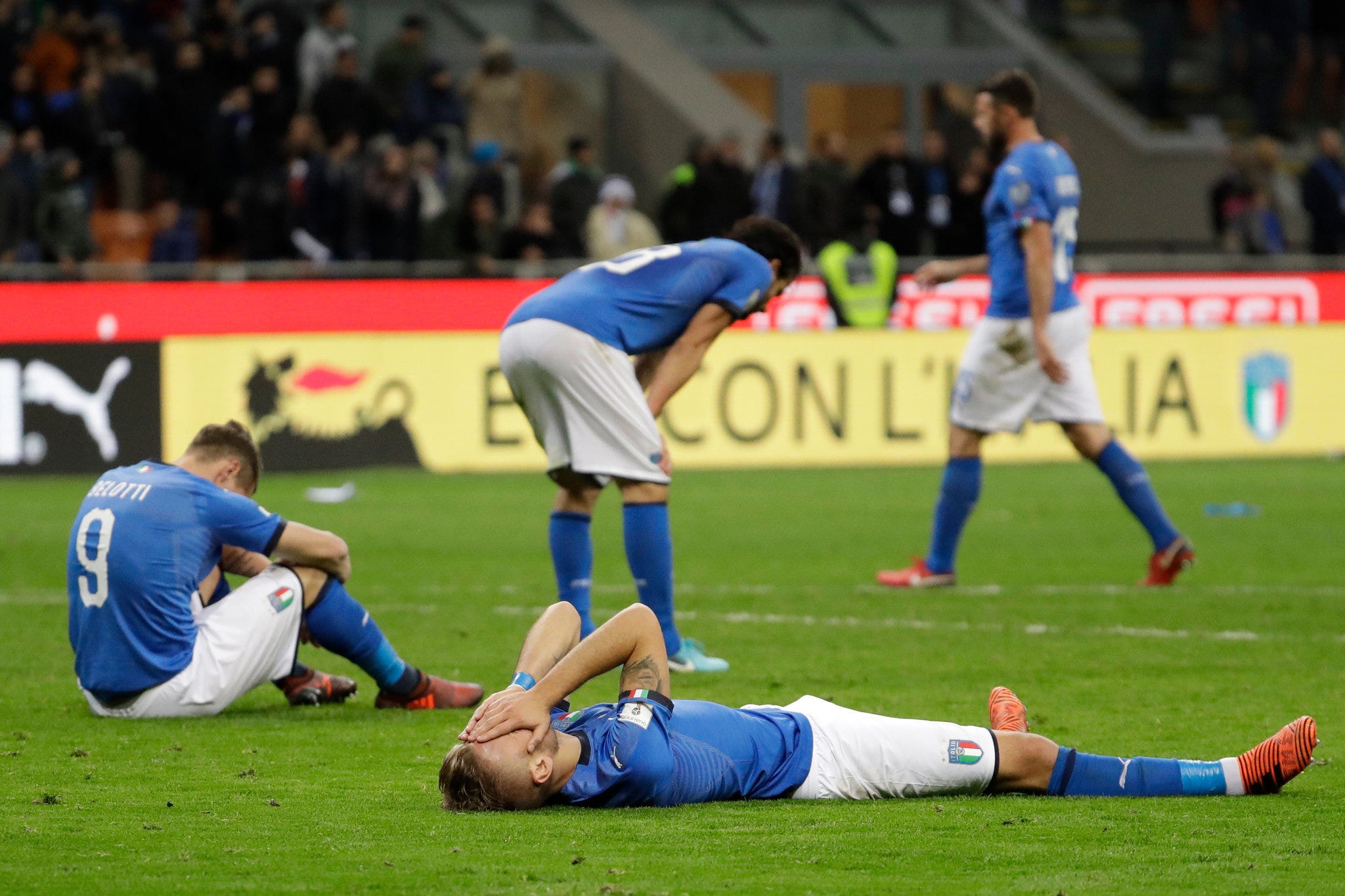
I’m not a big football fan. I don’t follow Serie A these days and I’ve largely run out of patience with the sport to be honest. This week, however, the whole of Italy is in a state of shock about the latest high-profile defeat, which, as a national event, is worth reflecting on. For the third time in a row, the Italian men’s football team has failed to qualify for the FIFA World Cup. That’s right, for three consecutive tournaments there has been no Italian team competing. This is a staggering collapse for the Azzurri, a team that can look historically great one moment (winning the 2021 Euros) and then, just a few years later, fall apart against Bosnia in a qualifying knockout. Italian media is filled with tactical post-mortems right now. Personally, though, I’m more interested in the sociology of it all. How has a country that invests so much identity into football lost the fundamental skill to compete? How does this recurring failure impact other spheres of life? Many Italians see this as a symptom of a broader stagnation, a national lamento that refuses to lift. While this seems a stretch for what is just eleven men who can’t kick a ball, it has captured minds as a symbol of decline. In the somewhat melodramatic words of one fan: “We are a population of failures. End of story.”
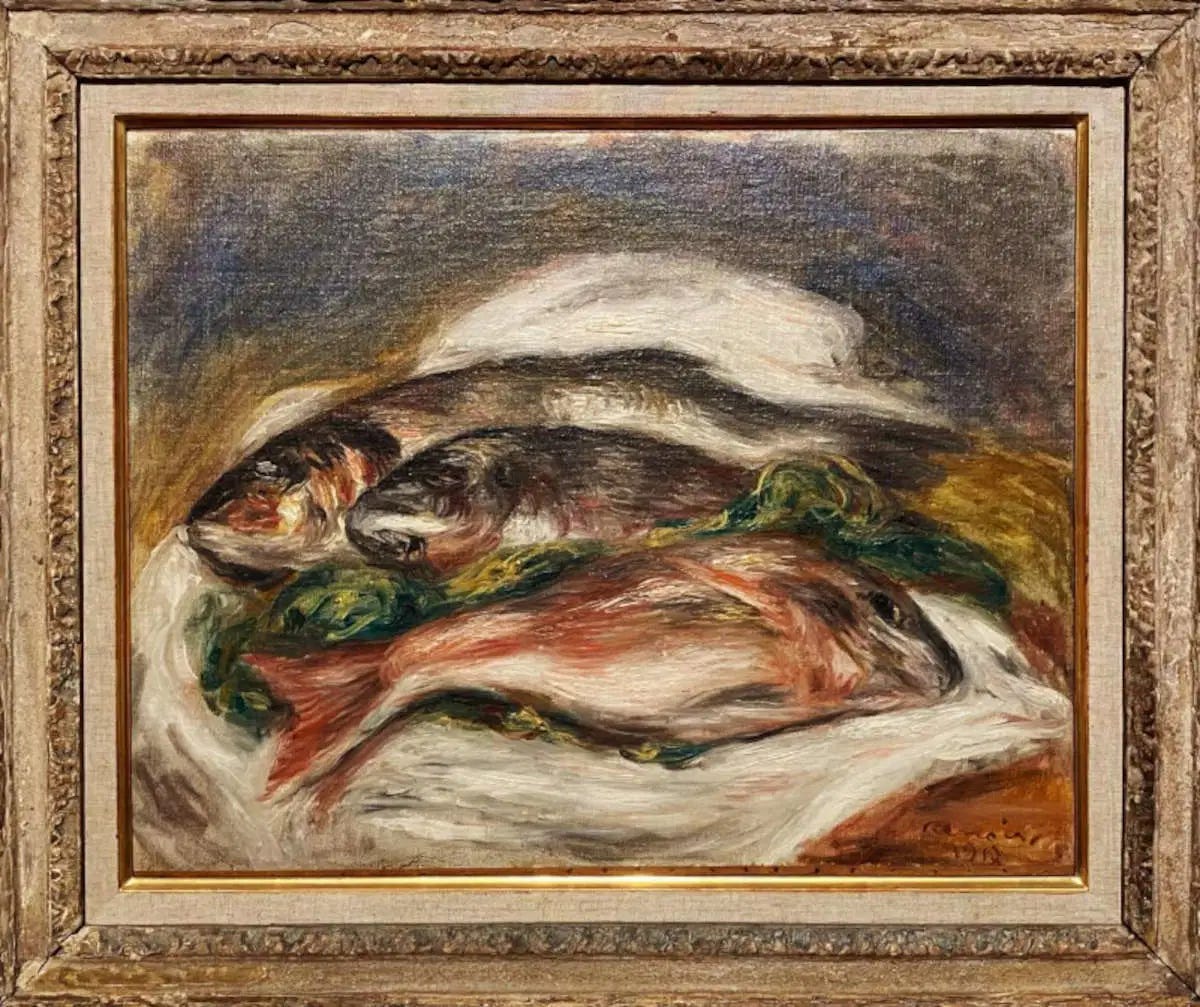
Next up, a story that seemed right out of Kelly Reichardt’s film The Mastermind. On Monday, news broke of a heist at the Magnani Rocca Foundation near Parma that was so clinical it felt scripted. A group of masked men managed to bypass high-tech security, making off with works by Renoir, Cézanne, and Matisse in an operation that reportedly took less than three minutes. On the Italian internet, the news was met with weary sarcasm. “At least some Italians still know how to find the goal,” read one widely shared headline riffing on the team’s failure against Bosnia. There are serious questions to be asked here, of course, about how this theft was able to take place, who was behind it, and what can be done to rebuild credibility. In more quotidian terms, though, this was a bit of real-world chaos that perfectly captured the current sense of malaise. While the state’s formal institutions flounder and the national spirit wanes, the only thing many people can still rely on is the tried and tested folkloric celebration of modern banditry. Che tristezza.
Arts and Culture: Rethinking the Novecento
I’ve been following Veronica Raimo’s work for a while now. Since breaking onto the global literary scene with her 2018 book Miden (The Girl at the Door in English translation) she has gone from strength to strength, developing a style that is concrete, essential, minimal, well-observed, and in a quiet way, brutal about the miscommunications between people. Earlier this year, Raimo published her latest novel with Einaudi titled Non scrivere di me, and I for one can’t wait to read it over the Easter weekend. The plot follows a woman named S. who, upon learning about the death of a famous director she once knew, is forced to relive a past sexual assault that derailed her life and writing career. The story branches out from here as the narrator grapples with the weight of the past and the decision of whether or not to go public. If you read Italian and are looking for something up-to-the-minute, this is the book of the moment. If you’re confined to English, I strongly recommend Raimo’s previous novel Lost on Me in the lovely translation by Leah Janeczko.

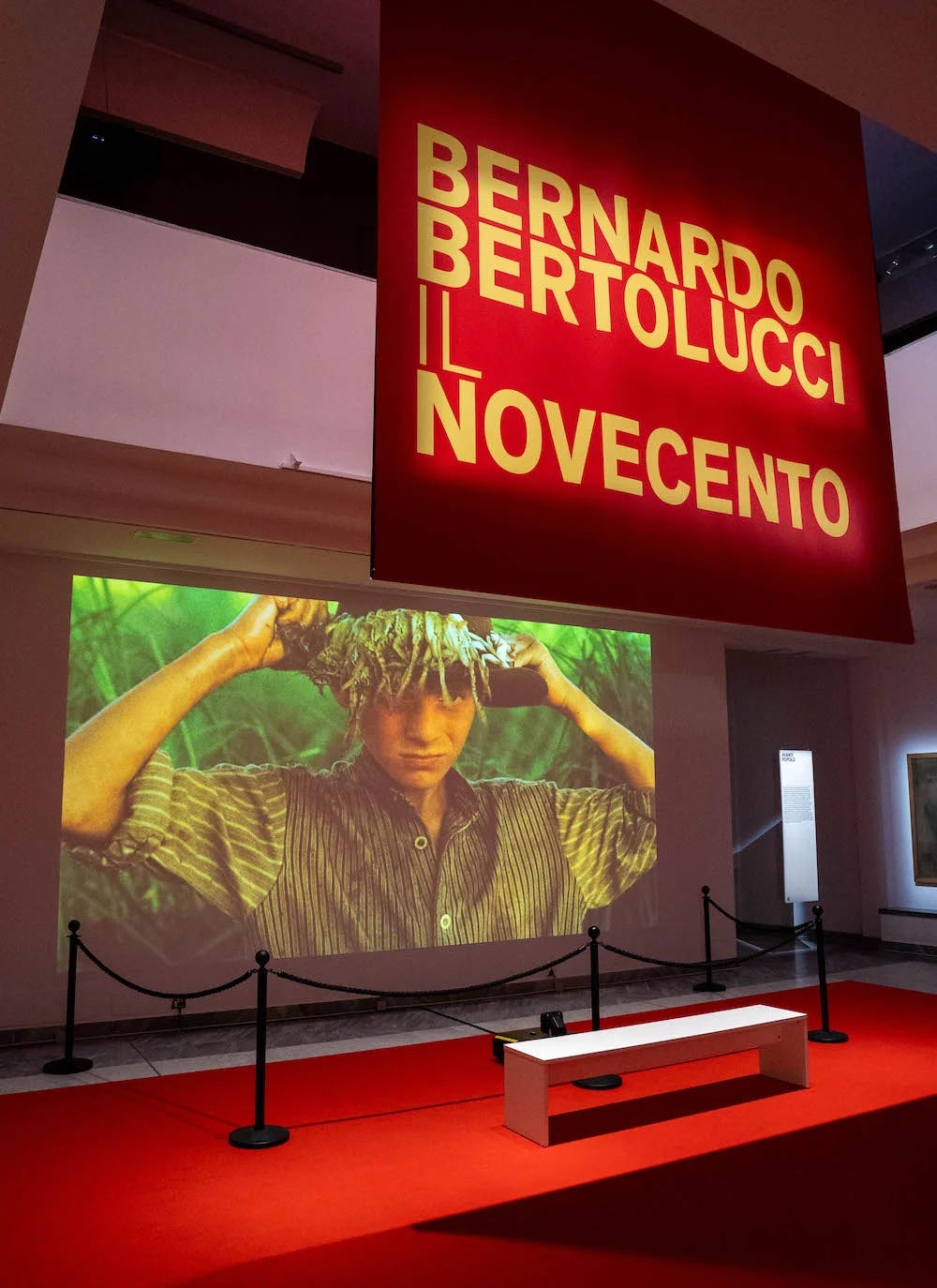
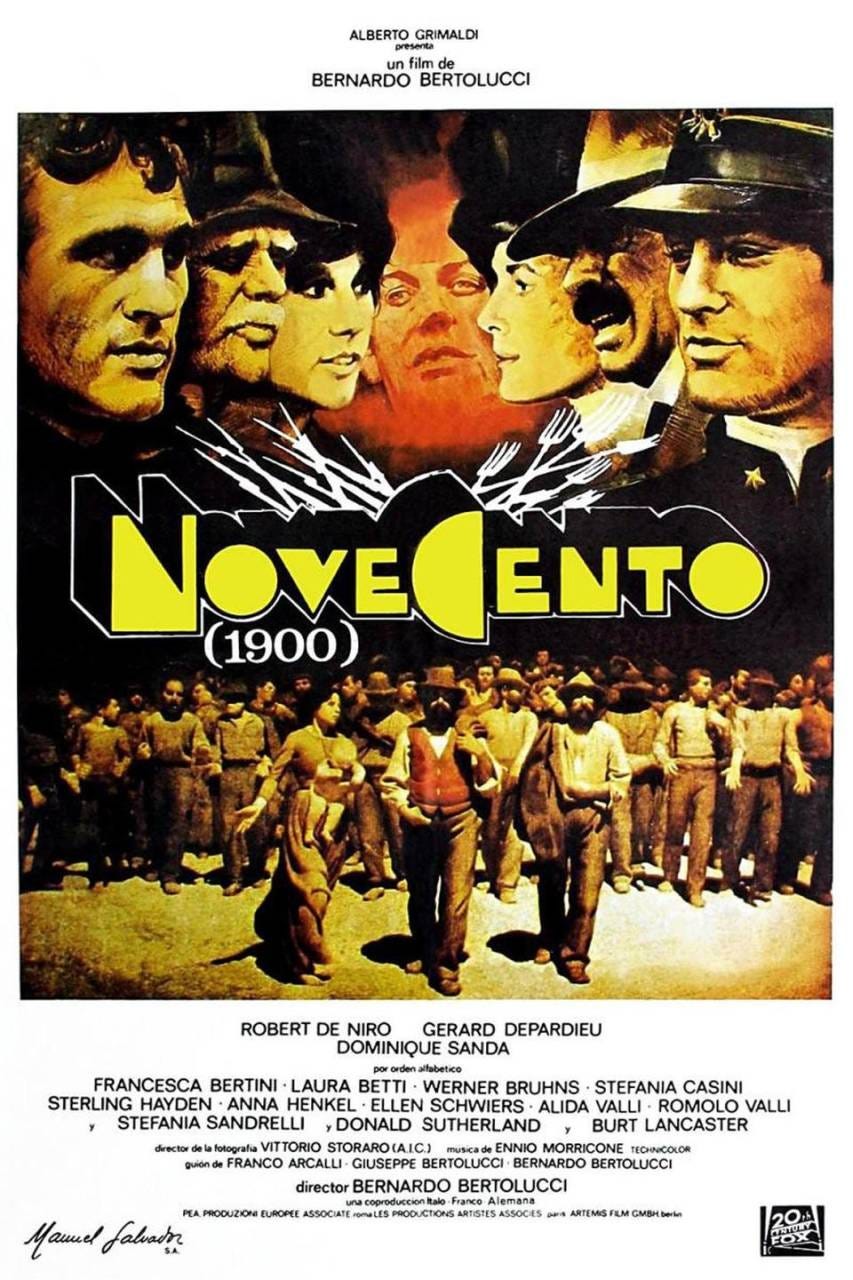
If you haven’t ever seen Bertolucci’s Novecento, then stop reading right now and rectify that immediately. The film is one of my favorites of all time; a masterclass in why we still look to the “golden age” of Italian cinema for gravity and scale. Unlike Fellini, who told dreamlike personal tales, Bertolucci’s epic has a rigorous political history and an intellectual weight that feels entirely in keeping with the spirit of late 70s. It manages to be grand and historical while remaining deeply aesthetic, visceral, and undeniably sexy. This week marks the 50th anniversary of the film’s premiere at Cannes, and to recognize the occasion, Parma is hosting a major exhibition at the Palazzo del Governatore titled ‘Bernardo Bertolucci: The Twentieth Century’. The exhibit, which runs until July, reconstructs the film’s legendary production, featuring hundreds of never-before-seen photos, original set materials, and a dialogue between the film’s sequences and the figurative art that inspired them. If you’re in the area, then, absolutely check it out. If not, this is the perfect excuse to rediscover this masterpiece of Italian cinema.
Recipe of the Week: Rossini cocktail
Back in February, I paid a trip to the baths at San Pellegrino Terme in an effort to shake off a nasty winter illness. While the thermal pools and saunas were the primary draw, the retreat also included a lunch and aperitivo where I encountered a cocktail I’d somehow never come across: the Rossini. The preparation is delightfully simple, essentially just macerated strawberries folded into chilled Prosecco. The result though is moreish, elegant, and feels far more sophisticated than the near-zero effort required to make it. With Easter approaching and a string of celebrations on the horizon, I’ve been meaning to recreate it at home, and fortunately, I tracked down a reliable ratio guide over at Saveur which looks like it should do the job. As strawberry season enters its peak across southern and central Italy, there’s no better time to lean into the spring sunshine with one of these in hand: so treat yourself, and enjoy the festivities!

I’m Jamie Mackay, a UK-born, Italy-based writer, working at the interfaces of journalism, criticism, poetry, fiction, philosophy, travelogue and cultural-history. I set up the Week in Italy a few years ago to cover ‘under the radar’ news. Since then this space has evolved to focus on politics, social issues, travel, books, music and film with particular attention to indie and underground culture that doesn’t get enough press. This is a labour of love, and journalism’s my full time job, so if you like what you read please consider a paid subscription, buying my book, or simply help spread the word. Grazie.